


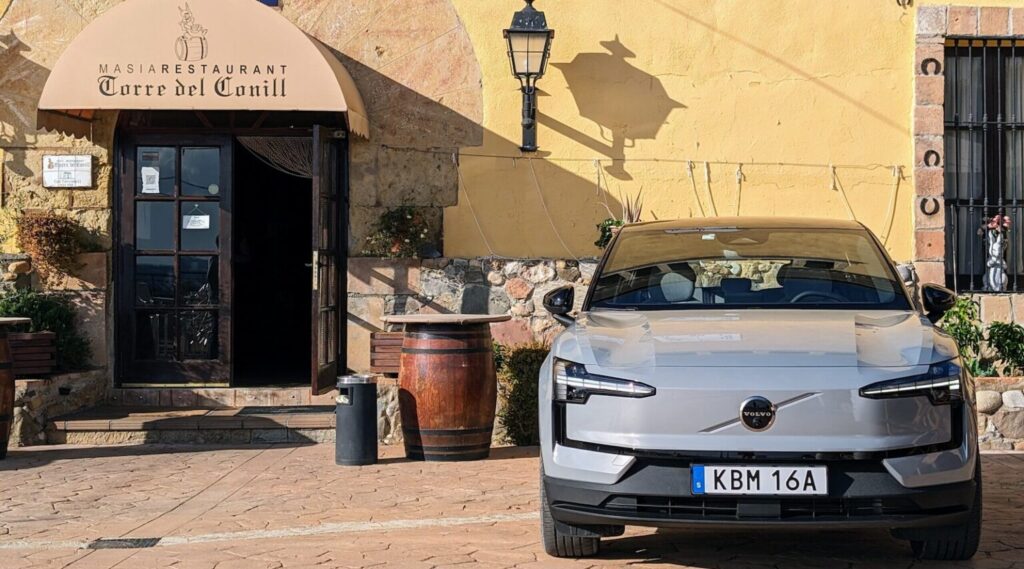
Volvo’s Electric Vehicle Sales See Sharp Decline in April 2025
Volvo Cars, a pioneer in the automotive industry’s electric transition, continues to make strides toward electrification. In April 2025, the Swedish automaker reported:
- 11,697 fully electric vehicles (BEVs) sold, representing 20% of total sales
- 14,688 plug-in hybrid (PHEV) sales, accounting for 25%
- Combined, 45% of Volvo’s global sales were electrified models
Despite this progress, recent figures reveal a worrying trend:
📉 BEV sales plummeted 32% year-over-year (vs April 2024)
📉 Overall sales declined 11%
📈 PHEV sales saw modest 2% growth
Year-to-Date Performance (Jan-Apr 2025)
- BEVs: ▼20%
- Mild hybrids: ▼8%
- PHEVs: ▲11%
What’s Driving the Decline?
Industry analysts point to one major factor: new EU tariffs on Chinese-made electric vehicles. The popular Volvo EX30, manufactured in China, has been particularly affected.
Key Impacts:
🔹 Price increases due to “Made in China” tariffs reduced European demand
🔹 Volvo’s Chinese ownership (Geely) and production base creates vulnerability
🔹 Consumers may be opting for PHEVs as a transitional solution
What’s Next for Volvo?
While the current landscape presents challenges, Volvo has several potential paths forward:
- Localized European production to circumvent tariffs
- Pricing strategies to maintain competitiveness
- Accelerated PHEV promotion as a bridge technology
Industry Perspective:
“Short-term, we’ll likely see more focus on plug-in hybrids in Europe,” notes EV analyst Jose Pontes. “However, Volvo’s long-term commitment to full electrification remains unchanged.”
The Road Ahead
Despite this setback, Volvo’s electrification strategy appears intact:
✅ Maintaining 45% plug-in vehicle share is significant
✅ 2030 all-electric target still achievable with strategic adjustments
✅ Growing PHEV sales demonstrate continued consumer interest in electrification
Key Takeaways:
- Tariff impacts are temporary but significant
- PHEVs gaining traction as practical alternative
- Long-term EV transition remains on track
Will Volvo adapt quickly enough to maintain its EV leadership position? The coming months will be crucial for the automaker’s electrification journey.