

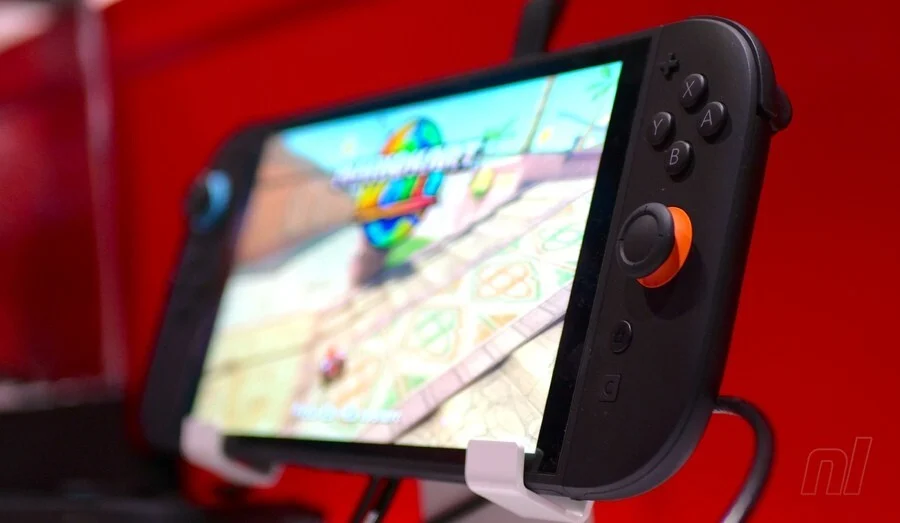
Nintendo Taps Samsung for Next-Gen Switch 2 Chip Production
Industry sources confirm the gaming giant has secured Samsung’s cutting-edge semiconductor division to manufacture the core processors for its highly anticipated Switch 2 console. This strategic partnership could enable Nintendo to meet ambitious production targets exceeding 20 million units within the first year.
Key Production Details:
- Custom Silicon Solution: Nvidia-designed chips being fabricated on Samsung’s mature 8nm process node
- Scalable Output: Production lines configured for rapid scaling if demand surges
- Display Roadmap: Initial LCD models to be followed by premium OLED variants
Supply Chain Advantages:
The collaboration with Samsung provides Nintendo with:
✔ Established high-volume semiconductor manufacturing
✔ Flexible capacity adjustments based on market reception
✔ Reduced risk of component shortages that plagued previous launches
Market Context:
This move comes as industry analysts:
- Project stronger-than-expected demand for Nintendo’s next system
- Note the strategic shift from original Switch’s component strategy
- Highlight Samsung’s growing role in gaming hardware supply chains
Strategic Implications:
The partnership reflects Nintendo’s:
• Commitment to ensuring adequate launch inventory
• Preference for proven manufacturing partners
• Long-term planning for potential hardware revisions
What Remains Unconfirmed:
While multiple sources corroborate the arrangement, Nintendo maintains its standard policy of not commenting on supplier relationships. Observers await:
- Official technical specifications
- Confirmed production timelines
- Details on regional distribution plans
Expert Perspective:
“Securing Samsung’s fabrication capabilities gives Nintendo crucial flexibility in today’s volatile component market,” noted a veteran gaming hardware analyst. “This suggests they’re preparing for both strong initial demand and potential mid-cycle hardware revisions.”
Why This Matters:
The choice of fabrication partner often determines a console’s:
- Retail availability
- Long-term production costs
- Potential for hardware revisions
Making this a critical strategic decision for Nintendo’s next-generation plans.